In the dynamic world of SEO, not all links are equal. Amid algorithm updates and ranking volatility, marketers constantly hunt for methods that boost authority without triggering penalties. One approach quietly reviving its relevance is building Web 2.0 backlinks safely and strategically.
What Are Web 2.0 Backlinks?
Web 2.0 backlinks are links embedded in user-controlled platforms where you can publish and manage your own content. Unlike generic directories or low-quality link farms, these sites empower you to craft original posts while subtly connecting back to your main site.
Picture publishing a mini-guide or a product review on a high-authority platform, embedding a link naturally within the content. That small act represents a Web 2.0 backlink—a subtle yet effective way to boost credibility.
How to Build Web 2.0 Backlinks Safely
A reckless approach can backfire. Here’s a roadmap to ensure your link-building strategy stays within Google’s good graces:
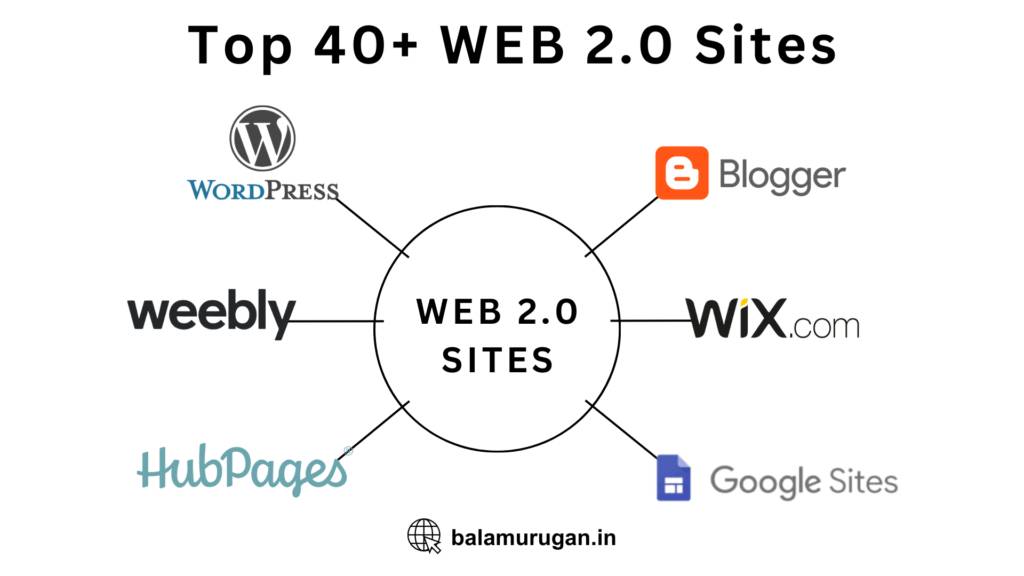
- Select High-Authority Sites – Focus on platforms with robust domain authority to maximize the link’s impact. Some reliable choices are:
- WordPress.com
- Blogger.com
- Medium.com
- Wix.com
- Weebly.com
- Craft Original and Useful Content – Avoid duplicate material. Create posts that educate, entertain, or inspire, making the link feel like a natural extension of the content.
- Integrate Links Organically – The hyperlink should flow seamlessly within the narrative, as if it belongs there, rather than standing out awkwardly.
- Vary Your Anchor Text – Use descriptive phrases or long-tail terms to signal authenticity to search engines.
- Moderate Posting Frequency – Publishing too many links too quickly can trigger spam flags. A measured cadence is safer.
- Engage with the Community – Comment, interact, and participate. Active accounts exude trustworthiness, benefiting both readers and SEO.
Example of a Web 2.0 Backlink
Imagine you run a travel blog. You write a post on Medium titled “Top 5 Weekend Getaways for City Dwellers” and include:
“Discover curated itineraries and travel hacks here.”
The hyperlink embedded in that sentence, pointing back to your main site, is a classic Web 2.0 backlink. It provides value to readers while passing credibility to your domain.
Are Web 2.0 Backlinks Worth It Today?
The role of Web 2.0 backlinks has evolved. Once, they were a shortcut to quick rankings; now, they are most effective when used thoughtfully. High-quality, relevant backlinks on reputable platforms still enhance authority, but spammy, mass-produced links are outdated and risky.
These backlinks remain useful for:
- Establishing niche authority
- Supporting content marketing campaigns
- Strengthening brand presence online
In short, a single well-placed Web 2.0 backlink can amplify your SEO efforts, but it should complement a diverse link-building strategy rather than serve as the sole tactic.
Conclusion
Creating Web 2.0 backlinks requires strategic thinking, original content, and measured execution. By targeting high-authority platforms, integrating links naturally, and contributing meaningful content, marketers can safely harness this subtle but potent tool. While no longer a magic bullet, these backlinks continue to enhance credibility, drive traffic, and fortify search engine rankings when done correctly.
About the Author